Farm Worker Jobs in USA H-2A Visa: Pay, Housing and Legal Guide
If you are looking for farm worker jobs in usa h-2a visa, this guide is for you. It explains how the H-2A temporary agricultural programme actually works, what employers must provide by law, and the exact official steps to find and apply for a legal job offer from outside the United States.
Farm Worker Jobs in USA H-2A Visa: The Honest Reality
The H-2A visa allows US farms to hire foreign workers for temporary or seasonal agricultural work when there are not enough US workers available. You are not applying for permanent residency. You are tied to a specific employer, for a specific job, for a specific season — usually 4 to 10 months.
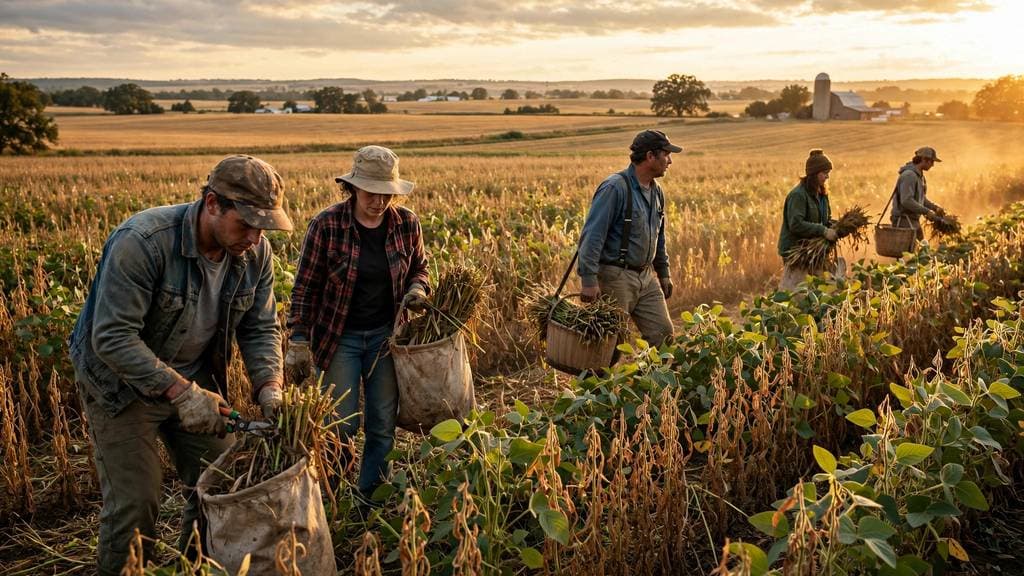
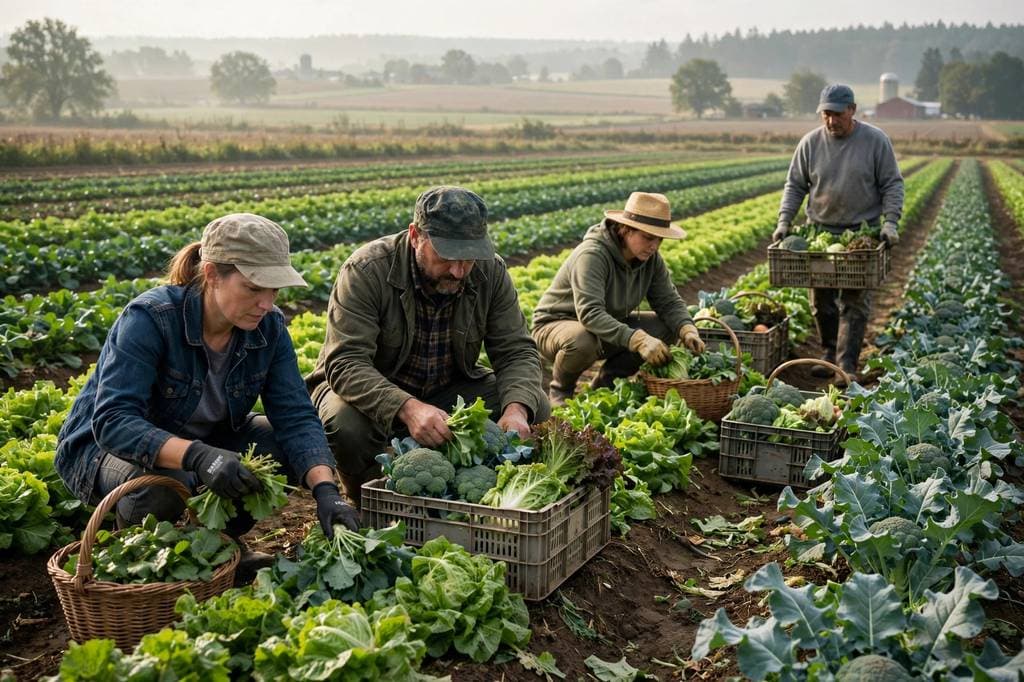
The work is physical and outdoors. Typical jobs include harvesting fruits and vegetables, planting and weeding, working in nurseries and greenhouses, operating farm equipment, and caring for livestock. Expect 6-day weeks, early starts, and long hours in peak season. Most jobs require you to be able to lift 20-25 kg repeatedly and work in heat, cold, or rain.
Who does well? People with prior farm experience, good physical fitness, and the ability to follow strict safety rules. You do not need a university degree or fluent English for most field roles, but reliability matters more than anything.
On pay, US law sets a minimum for H-2A jobs called the Adverse Effect Wage Rate (AEWR). It varies by state and is updated each year. A typical range for most H-2A field work in 2024-2025 was about $14 to $19 per hour, labelled as typical and not a guarantee for any specific employer. Some specialised roles like equipment operators in higher-wage states pay more. You must be paid at least twice a month and receive a written earnings statement.
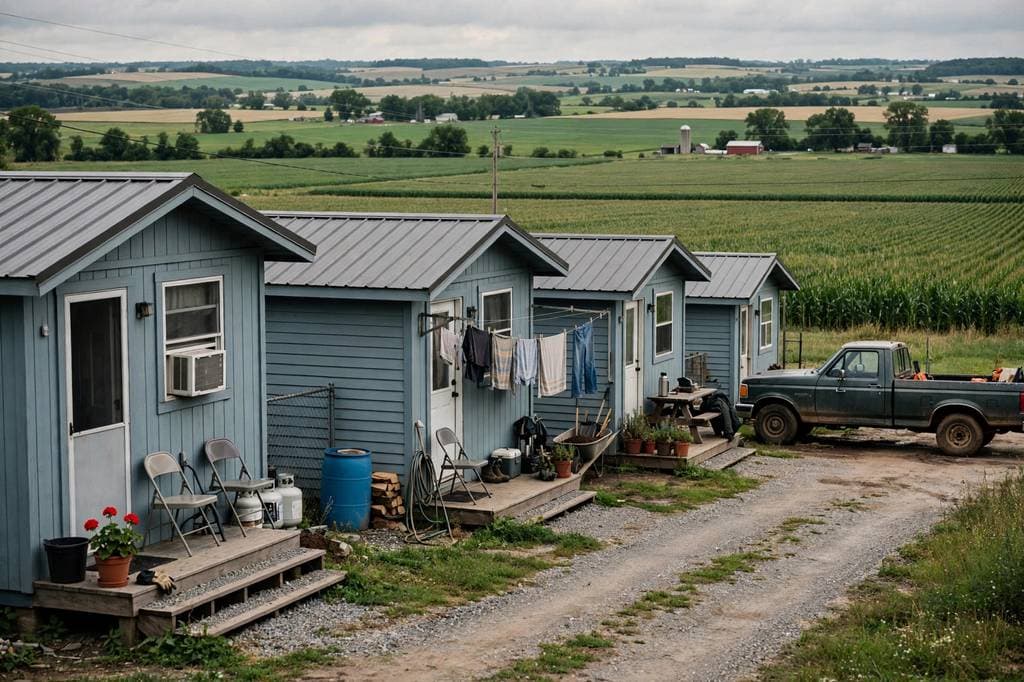
By law, your employer must provide free, inspected housing that meets federal safety standards, and daily transport between housing and the fields. They must also reimburse your inbound travel and visa costs after you complete 50% of the contract, and provide return transport if you complete the contract. There is no fee to the worker for the H-2A petition itself — the employer pays USCIS costs.
Where to find legitimate opportunities
All legitimate H-2A jobs must have a job order filed with the US Department of Labor. That is your best filter for what is real.
- SeasonalJobs.dol.gov: This is the official Department of Labor job board for H-2A jobs. Every posting there is linked to an approved or pending labour certification. You can search by crop, state, and date.
- State Workforce Agencies (SWA): Each state employment office lists H-2A job orders. They are the same as the DOL site but sometimes easier to contact locally.
- Licensed recruiters named in the job order: Many large growers use recruiters abroad, but their name and contact must be disclosed in the official job order. If a recruiter cannot show you the official job order number, walk away.
How to verify a listing: Ask for the ETA Case Number and the name of the employer as filed with DOL. Cross-check it on SeasonalJobs. The job order should list the exact wage, hours, crop, housing address, and start and end dates. A genuine offer never asks you to pay for the job.
How to apply, step by step
You cannot self-petition for H-2A. The employer must petition for you. Here is the legal sequence:
- 1. Find a valid job order: Search on the DOL site for jobs that are open to foreign recruitment. Note the recruitment period — most hiring happens 2-3 months before the season starts.
- 2. Contact the employer or designated recruiter: Apply exactly as instructed in the job order — usually by email or phone. Prepare a simple CV focused on farm experience, crops you have worked with, and equipment you can use.
- 3. Employer files with DOL and USCIS: If selected, the employer first gets a temporary labour certification from DOL, then files Form I-129 with USCIS. You will be included in the petition as a beneficiary.
- 4. Consular processing: Once USCIS approves, you apply for the H-2A visa at a US Embassy or Consulate. You will need a passport, the approval notice, a job offer letter, and to attend an interview. You pay the visa fee but keep the receipt — it is reimbursable under H-2A rules.
- 5. Travel and start work: The employer must provide your contract in a language you understand. On arrival, you should receive housing, safety training, and information on workers’ compensation.
Start early. For a spring harvest starting in March, recruitment often begins in December or January. Keep copies of every document.
Watch out for scams
H-2A fraud is common because workers are desperate to go. Watch for these red flags:
- Someone on Facebook or WhatsApp guarantees a visa if you pay $1,000-$5,000 upfront. H-2A employers are prohibited from charging recruitment fees.
- You are asked to pay into a personal bank account or via crypto for a "job reservation" or "labour certification".
- No official job order, no ETA case number, and no verifiable US employer address.
- A contract that lists a different wage or job than the DOL posting, or refuses to mention free housing.
- Being told you can switch to a non-farm job once in the US. H-2A status does not allow that.
If in doubt, check the job directly on the DOL site and contact the State Workforce Agency listed on the order. Never hand over your original passport to a recruiter.
The H-2A route is demanding but transparent when done legally. Focus on official job orders, understand the physical nature of the work, and do not pay illegal fees — a real H-2A employer needs your labour, not your money.