Nursing Jobs in USA for Foreign Nurses: NCLEX, Visa and Pay Guide

If you are searching for nursing jobs in USA for foreign nurses, this guide is for you. It breaks down the real pathway Nepali and other international nurses follow: passing the NCLEX-RN, getting CGFNS VisaScreen, securing an EB-3 immigrant visa sponsorship from a US employer, and what life on the floor actually looks like once you land.
Nursing jobs in USA for foreign nurses: the honest reality, typical pay and who thrives
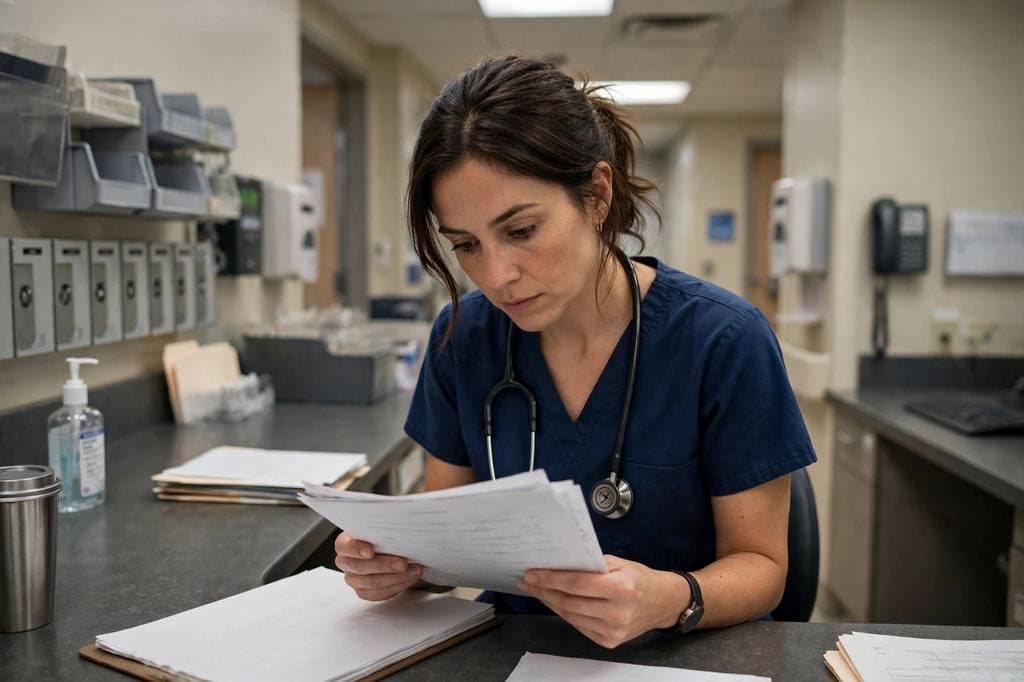
US hospitals, long-term care centres and home health agencies hire foreign-educated RNs because of persistent staffing shortages. You will work as a registered nurse under a state Board of Nursing licence, usually in med-surg, telemetry, ICU, or long-term care to start. Shifts are often 12 hours, including nights, weekends and holidays. Documentation is heavy, nurse-to-patient ratios vary by state and facility, and you are expected to speak up, delegate to CNAs/LPNs, and handle a lot of technology.
Who succeeds? Nurses with at least 1-2 years of bedside experience, solid English communication, and patience for paperwork. The process is long, often 12-24 months or more from NCLEX to visa issuance, so it suits people who can plan ahead.

Pay: For context, typical hourly pay for staff RNs in the US ranges from about $32 to $55 per hour depending on state, city, specialty and shift differentials. That translates to roughly $66,000 to $115,000 per year for full-time work before tax and overtime. California, New York, Washington, Oregon and Massachusetts tend to pay at the higher end; southeastern and rural midwest states often pay lower, but cost of living is also lower. Night shift, weekend and critical care differentials can add $3-$10 per hour. These are typical market ranges, not a guarantee from any single employer.
Where to find legitimate opportunities
Do not rely on random Facebook posts. Stick to verifiable channels:
- Direct health systems: Large non-profit systems like HCA, CommonSpirit, Ascension, Trinity Health and Kaiser Permanente list international nurse sponsorship programmes on their own careers pages. Look for pages titled "International Nurses" or "Global RN Program".
- Established international staffing agencies: Firms that have been around for years and are transparent about CGFNS and immigration costs. Check if they are certified by Alliance for Ethical International Recruitment Practices.
- State Board of Nursing websites: Before you accept any offer, verify what that state requires for foreign-educated nurses. Requirements differ.
- Official information sources: Use NCSBN for NCLEX registration and exam details, and USCIS for EB-3 visa rules and current processing information.
To verify a listing is genuine, cross-check the employer name on the state Board of Nursing and the hospital's official site, ask for the facility's NPI or CMS certification number, and demand a written offer that names the worksite, base rate, and who pays for NCLEX, VisaScreen, and immigration filing.
How to apply, step by step
This is the sequence most foreign nurses actually follow. You can start today even while working in Nepal or the Gulf.
- 1. Check your eligibility: You need a nursing diploma/degree that is at least comparable to a US RN programme, plus an active home-country licence. Get your transcripts and clinical hours ready early.
- 2. Choose your US state: Some states like New York, Texas, Illinois and Montana are popular because they do not require a Social Security Number to issue an eligibility letter for NCLEX. Research the Board's rules for foreign applicants.
- 3. Register for NCLEX-RN: Create an account with Pearson VUE via NCSBN, apply to your chosen Board of Nursing for licensure by examination, and submit credentials verification through CGFNS or directly as the Board requires. Then prepare properly - content review, 100+ practice questions a day, and timed mock tests.
- 4. Pass English proficiency: Most employers and VisaScreen require IELTS Academic or TOEFL iBT or PTE Academic. Aim for IELTS 7.0+ overall with 7.0 in speaking, or equivalent. Book early; slots fill up.
- 5. Get CGFNS VisaScreen Certificate: This is mandatory for the visa. CGFNS will verify your education, licence, and English scores and issue the certificate needed for immigration.
- 6. Find an EB-3 sponsor: Apply to hospitals or ethical agencies that offer direct EB-3 sponsorship. The standard route is EB-3 Schedule A for RNs, which bypasses the PERM labour certification but still requires an I-140 petition filed by the employer with USCIS. You should not pay the employer's I-140 fee - legitimate sponsors cover it.
- 7. Consular processing and arrival: Once I-140 is approved and your priority date is current, you go through National Visa Center processing, medical exam, and immigrant visa interview in Kathmandu or where you reside. After entry, you get your green card and state RN licence activated, then complete hospital orientation and pass clinical competency checks.
Watch out for scams
Scams target foreign nurses heavily. Red flags specific to this field:
- An agent guarantees a visa in 3-6 months for a large upfront fee. EB-3 timelines are controlled by USCIS and the State Department, no one can guarantee speed.
- You are asked to pay $5,000-$15,000 before you have a signed job offer or before I-140 is filed. Ethical recruiters disclose a clear cost split and many cover immigration costs.
- The contract locks you in for 3+ years with a $20,000+ breach penalty but does not state base pay, location, or staffing ratios. Read every clause.
- They tell you to work on a tourist visa or as a caregiver while waiting for RN licensure. That violates immigration rules and can bar you permanently.
- No physical US office, no named health system clients, and they refuse video calls or to provide former candidates you can speak to.
Always ask for everything in writing, keep copies of all CGFNS and USCIS receipts, and verify any recruiter with former nurses in the US, not just testimonials on their website.
Getting a nursing job in the US as a foreign nurse is entirely possible, but it rewards preparation over shortcuts. Pass NCLEX, secure English scores, get VisaScreen, and choose a sponsor who is transparent about pay, place, and paperwork. Do those four well and the rest becomes manageable.