Security Guard Jobs in USA Requirements, Licence and Pay Guide

If you're searching for security guard jobs in usa requirements, this guide is for you. Whether you're already in the US or planning to move on a valid work visa, you'll learn exactly what states require for licensing, what training you'll need to complete, what employers actually look for, and how to apply without falling for scams.
Security guard jobs in USA requirements: the honest reality
Security guard work in the US is regulated at the state level, not federally. That means the rules in California are different from Texas, New York, or Florida. But the core pattern is similar everywhere.
Most unarmed guard roles require you to be at least 18 years old, have a high school diploma or equivalent, and pass a criminal background check. Armed guard roles almost always require you to be 21+, plus additional firearms training and a separate armed guard licence or endorsement.
What does the job actually involve? Expect long shifts on your feet, patrolling premises, monitoring CCTV, checking IDs, writing incident reports, and de-escalating situations. It's not just standing at a door. Good observation, punctuality, and clear communication matter more than physical size.
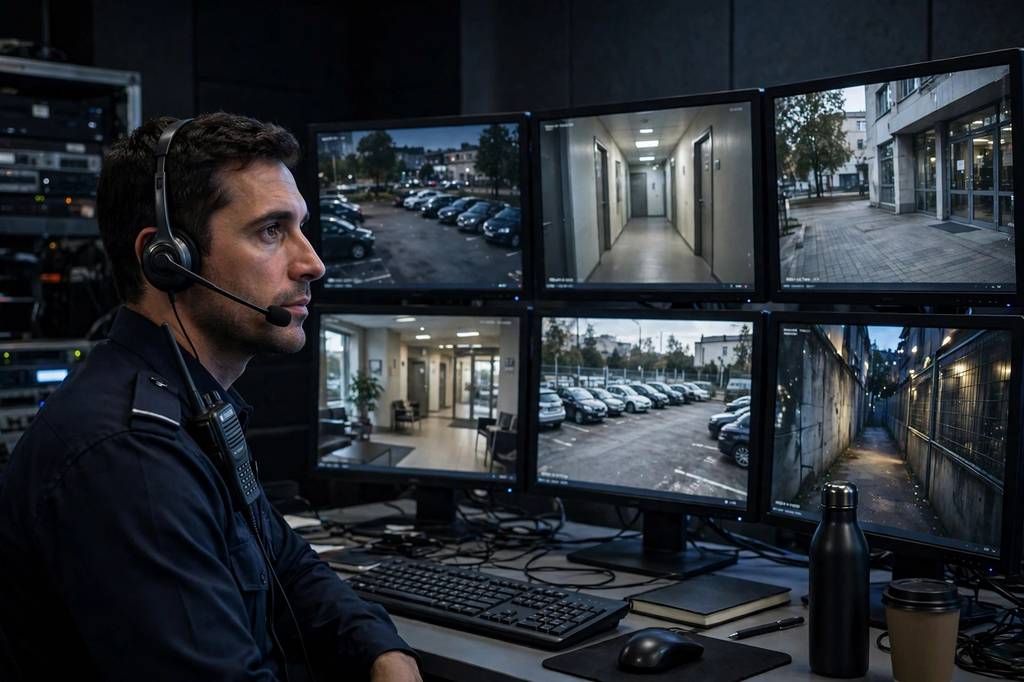
Typical pay: For entry-level unarmed guards, typical pay in most states is around $14 to $20 per hour. Experienced guards, armed guards, or those working in corporate buildings, hospitals, or tech campuses often see typical pay of $20 to $28 per hour. In high-cost cities like New York, San Francisco, or Seattle, typical rates can be $22 to $35 per hour, especially for licensed armed officers. These are typical market ranges, not guarantees from a specific employer.
Who succeeds? People with a clean record, reliable transport, basic English report-writing skills, and a calm temperament. Prior military, police, or customer service experience helps, but many companies will train you if you meet the legal requirements.
Where to find legitimate opportunities
Don't rely on random WhatsApp or Facebook posts promising visa sponsorship for security jobs. Legitimate openings are posted on well-known platforms and company career pages.
- Major job boards: Search for licensed roles on Indeed using filters like "security guard licence" or "unarmed security officer". You can also check Allied Universal, Securitas, G4S, and GardaWorld career sites directly.
- State security guard registry: Many states have a Department of Public Safety or Division of Licensing Services website where you can verify what a guard card requires and which training schools are approved.
- Local employers: Hospitals, universities, shopping malls, hotels, warehouses, and office buildings often hire in-house security. Walk in with your guard card ready and ask for the security manager.
How to verify a listing is genuine: Check if the company name, address, and licence number are listed. A real employer will never ask you to pay for a job offer, visa processing, or uniform before an interview. If they ask for money via gift cards or crypto, it's a scam. Cross-check the recruiter on LinkedIn and the company website.
How to apply, step by step
Here's a practical path that works in almost every state:
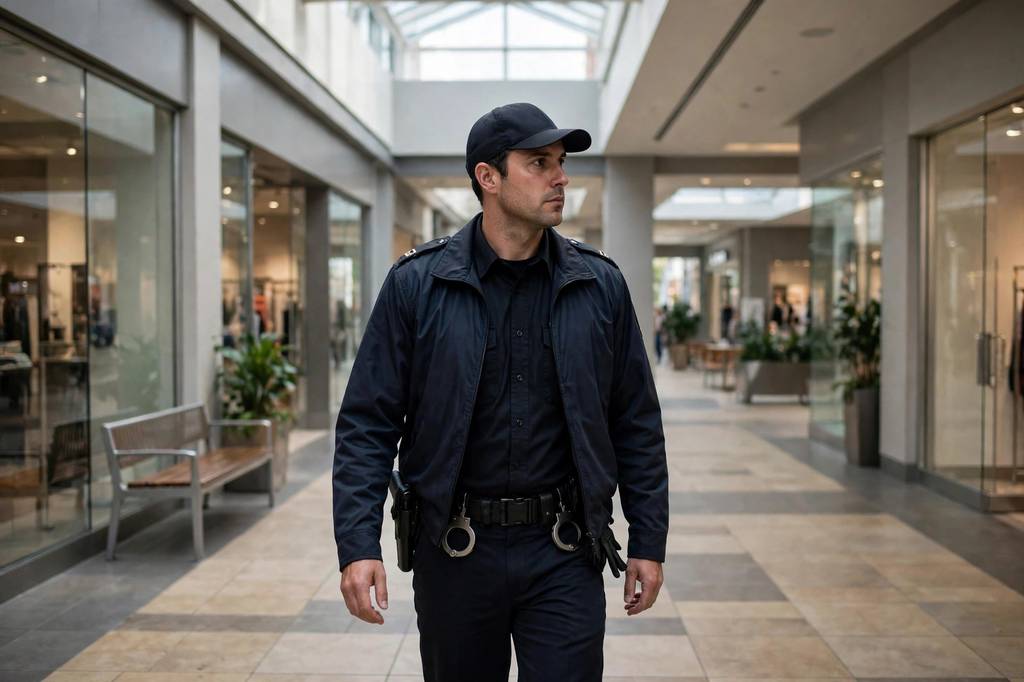
- 1. Check your state's requirements. Search "[your state] security guard licence requirements". For example, California requires an 8-hour Power to Arrest training before you apply for a Guard Card, then 32 hours of additional training within 6 months. New York requires an 8-hour pre-assignment course, 16-hour on-the-job training, and an annual 8-hour refresher. Texas requires Level II training for unarmed and Level III for armed.
- 2. Complete approved training. Enrol only in a state-approved school. You'll get a certificate. Keep the original. Most courses cover legal powers, emergency procedures, report writing, and communication.
- 3. Pass background check and fingerprinting. Most states require Live Scan or Fieldprint. Be honest about your history. Minor infractions may not disqualify you, but felonies often do, especially for armed roles.
- 4. Apply for your Guard Card / Security Licence. Submit your application to your state's licensing authority with ID, training certificate, and fee (typically $50 to $150). Processing can take 2 to 6 weeks.
- 5. Get additional credentials if needed. Armed guard? You'll need firearms training (typically 14-47 hours depending on state), range qualification, and sometimes a separate exposed firearm permit. For driving posts, a valid driver's licence and clean driving record help.
- 6. Build a job-ready CV. Highlight licences (e.g., "CA Guard Card valid till 2026"), CPR/First Aid, CCTV or access control systems you know, and any customer service experience. Apply on Indeed and follow up within 48 hours.
- 7. Prepare for the interview. Expect questions on how you'd handle an angry visitor, a theft in progress, or a medical emergency. Employers test judgement, not aggression.
For non-US citizens: You must have legal work authorisation. Security guard jobs very rarely offer H-2B sponsorship because employers can hire locally. If you are on a dependent visa like H4 EAD, L2 EAD, or have a Green Card, you can apply like any US resident once you have the state licence.
Watch out for scams
This field attracts scams targeting newcomers. Red flags specific to security guard hiring:
- Someone guarantees a guard job and work visa if you pay $500-$2000 upfront for "licence processing". Real guard cards are only issued by state agencies after fingerprinting, not by agents on WhatsApp.
- Job ads with no company name, only a Gmail address, and salaries like $35/hour for no experience with free accommodation. If it sounds too good, it is.
- Recruiters who tell you to skip training. Every state requires some form of approved training. No training = no licence = not legitimate.
- Fake training schools that issue a certificate not recognised by the state. Always verify the school on your state's approved provider list before paying.
Always keep copies of your training certificate, guard card, and receipts. Never share your Social Security Number before a formal offer and background check consent form.
Security work can be a stable entry point into the US job market if you do it properly: get the right state licence, complete approved training, and apply through verified channels. Focus on one state, get licensed there, and build experience. That guard card is what opens doors.
Sources: indeed.com